
Why Historic Columbus Homes Need a Different Remodeling Approach
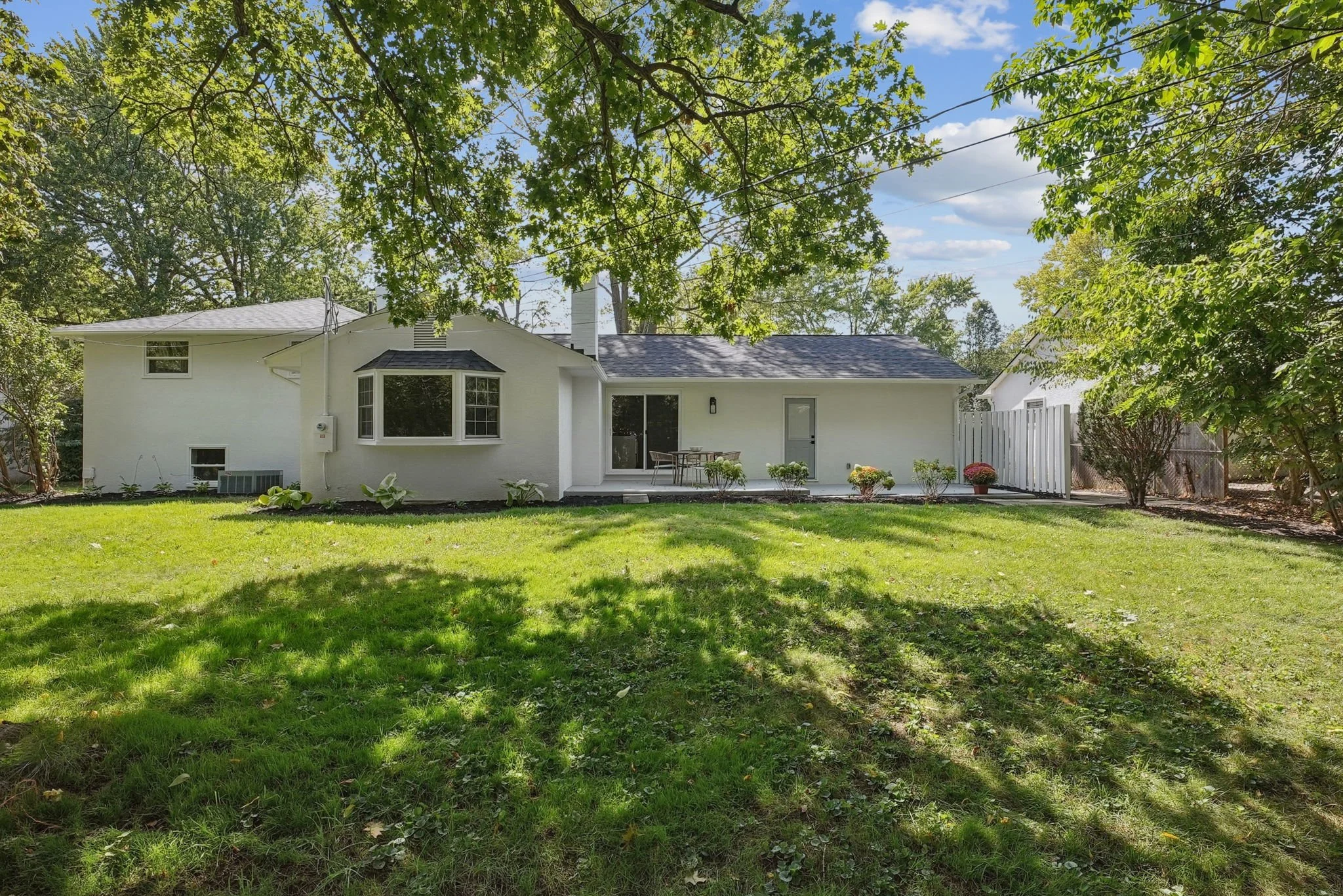
Historic and older Columbus homes—whether they’re charming bungalows, brick Craftsman styles, or early‑20th‑century two‑stories—were built in a different era, for very different lifestyles. Kitchens were smaller and more closed off, bathrooms were limited, closets were tiny, and mechanical systems weren’t designed for today’s demands. This describes the majority of homes in Upper Arlington, Bexley, Clintonville, and other established Columbus neighborhoods — and it's exactly the kind of remodeling work we specialize in.
Modernizing these homes is about balance:
Update function: safer systems, better layouts, more storage, and energy efficiency.
Preserve character: original trim, doors, built‑ins, and proportions that give the home its personality.
A thoughtful remodel respects both sides instead of choosing one at the expense of the other.
Step One: Understand Your Home’s Existing Character
Before you sketch new layouts, spend time identifying what makes your home feel historic and unique. Look for:
Original trim and moldings around doors, windows, and ceilings.
Interior doors, hardware, and transoms.
Built‑ins like hutches, bookcases, phone niches, or window seats.
Stair details and railings.
Flooring patterns or inlays.
Window proportions and divided lights.
Make a list of “must‑keep” elements and “flexible” areas. This becomes your compass for design decisions.
Modernizing Historic Kitchens in Columbus Homes
Kitchens are usually the biggest functional pain point in historic houses—and the highest‑impact area to update.
Open Up Thoughtfully (Not Just for the Sake of It)
Consider widening openings between the kitchen and dining room rather than fully removing walls.
Use cased openings or subtle beams to keep a sense of separation and respect original architecture.
Retain or reinterpret existing built‑ins (like a dining room hutch) instead of removing them outright.
The goal is better flow and sightlines while keeping the home’s traditional rhythm of rooms.
Bridge Old and New with Cabinet Design
Choose cabinet door styles that echo period details—simple recessed panels or Shaker work beautifully in historic Columbus homes.
Use colors and wood tones that feel at home with existing trim and floors (warm whites, greiges, stained wood, or a mix).
Add modern storage solutions—pull‑outs, deep drawers, pantry cabinets—behind classic‑looking fronts.
You’ll get current‑day function in a kitchen that doesn’t feel out of place.
Honor Existing Materials Where Possible
If original hardwood floors run into the kitchen, consider refinishing and weaving in new boards instead of replacing everything with tile or vinyl.
When stone or tile is introduced, lean toward patterns, scales, and colors that could plausibly “live” with the age of the home.
Updating Bathrooms While Respecting History
Historic bathrooms are often small and dated, but they offer great opportunities for subtle, period‑aware updates.
Keep the Spirit, Upgrade the Systems
Replace old plumbing, wiring, and ventilation with modern systems for safety and comfort.
Consider a curbless or low‑curb shower in primary baths for long‑term accessibility, while keeping a classic tub in a hall or guest bath.
Blend Classic and Modern Finishes
Use subway tile, hex tile, or simple mosaics in updated patterns to nod to early‑20th‑century styles.
Pair them with updated fixtures in finishes like polished nickel, chrome, or warm brass.
Choose vanities that feel like furniture pieces rather than generic boxes.
You’ll end up with a bathroom that feels fresh, but not jarringly contemporary.
Preserving and Enhancing Original Woodwork
Original trim, doors, and built‑ins are some of the biggest assets in historic Columbus homes.
Repair Over Replace When You Can
Rebuild damaged sections of trim instead of swapping everything for new profiles.
Strip or refinish original doors rather than installing modern hollow‑core replacements.
Tighten and restore built‑in cabinetry; add new hardware that fits the era.
When replacements are necessary, match profiles and proportions as closely as possible.
Consider Strategic Paint vs. Natural Wood
In some homes, leaving certain elements (like stair railings or key doors) in natural wood and painting trim elsewhere can create a beautiful contrast.
If you paint original trim, choose colors that feel appropriate to the home’s character—soft whites or muted tones rather than stark, ultra‑bright white.
Improving Layout and Flow Without Losing Character
It’s often possible to gain a more functional layout without turning a historic home into a completely open‑concept space.
Identify “Non-Negotiable” Walls vs. Flexible Areas
Structural and historically significant walls may be best left alone or only partially opened.
Secondary partitions (like cramped pantry walls) might be candidates for removal or reconfiguration.
A thoughtful design balances structural realities, historic value, and how you actually live.
Use Transitions to Preserve a Sense of Place
Instead of one big room:
Use cased openings, arched transitions, or partial walls to define zones.
Create subtle changes in ceiling details or lighting between spaces.
This keeps the cozy, room‑by‑room feel many Columbus homeowners love, while still improving flow.
Bringing Systems and Comfort Up to Date
Historic charm shouldn’t mean drafty, uncomfortable, or inefficient.
Electrical and Lighting
Upgrade old wiring and panels for safety and capacity.
Add more outlets and better task lighting in kitchens and baths.
Use fixtures that nod to the home’s era—updated interpretations of classic forms.
Heating, Cooling, and Insulation
Improve insulation in walls, attics, and sometimes floors where feasible.
Upgrade HVAC systems or add mini‑splits in challenging areas.
Seal windows and doors while preserving or replicating original profiles.
The result: a home that feels solid and comfortable without losing its soul.
Material and Finish Choices for Historic Columbus Homes
When selecting materials, ask, “Would this feel wildly out of place if it had been installed 50 years ago?” That’s a good test for timelessness.
Lean Toward Timeless Over Trendy
Choose classic tile patterns, wood tones, and neutral palettes with character, not purely trend‑driven looks.
Use bolder colors and patterns strategically on elements that are easier to change (paint, some lighting, decor).
Mix Old and New Thoughtfully
Combine restored original elements (floors, doors, built‑ins) with new cabinetry, counters, and fixtures.
Use similar undertones across wood and paint colors so new and old materials feel like they belong in the same story.
Working with a Remodeler Who Understands Historic Homes
Not every remodeler approaches historic home remodeling the same way. When you’re interviewing partners, ask:
What experience do you have with historic or older Columbus homes?
How do you decide what to preserve vs. what to replace?
How do you handle unexpected issues (plaster, old framing, hidden damage)?
Can you show examples of projects where you updated function but kept character?
You want a team that respects your home’s age and details while being honest about what truly needs to change for safety and livability.
How a Historic Home Consult Helps
A historic home consult is the best way to move from “ideas” to a realistic plan that respects both your home and your budget. In that conversation, you can:
Walk through your home (virtually or in person) and identify key historic features to preserve.
Talk about problem areas—tight kitchens, dated baths, awkward transitions.
Discuss what kinds of updates make the most difference for comfort and everyday use.
Get a sense of which projects to prioritize and how to phase work over time if needed.
You’ll walk away with more clarity on how to modernize without losing what you love.
Request Your Historic Home Consult
If you own a historic or older home in Columbus, you don’t have to choose between character and comfort. With thoughtful design, careful material choices, and skilled craftsmanship, you can have both.
Use the form on this page to request a historic home consult. You’ll be able to:
Share your goals and concerns for your home.
Learn which updates will make the biggest impact while preserving key details.
Start shaping a remodeling plan that honors your home’s history and supports how you live today.