
Why Your Columbus Basement Has So Much Potential
Many Columbus‑area basements start out as concrete floors, exposed joists, and a mix of storage bins and mechanicals. With the right plan, that underused square footage can become:
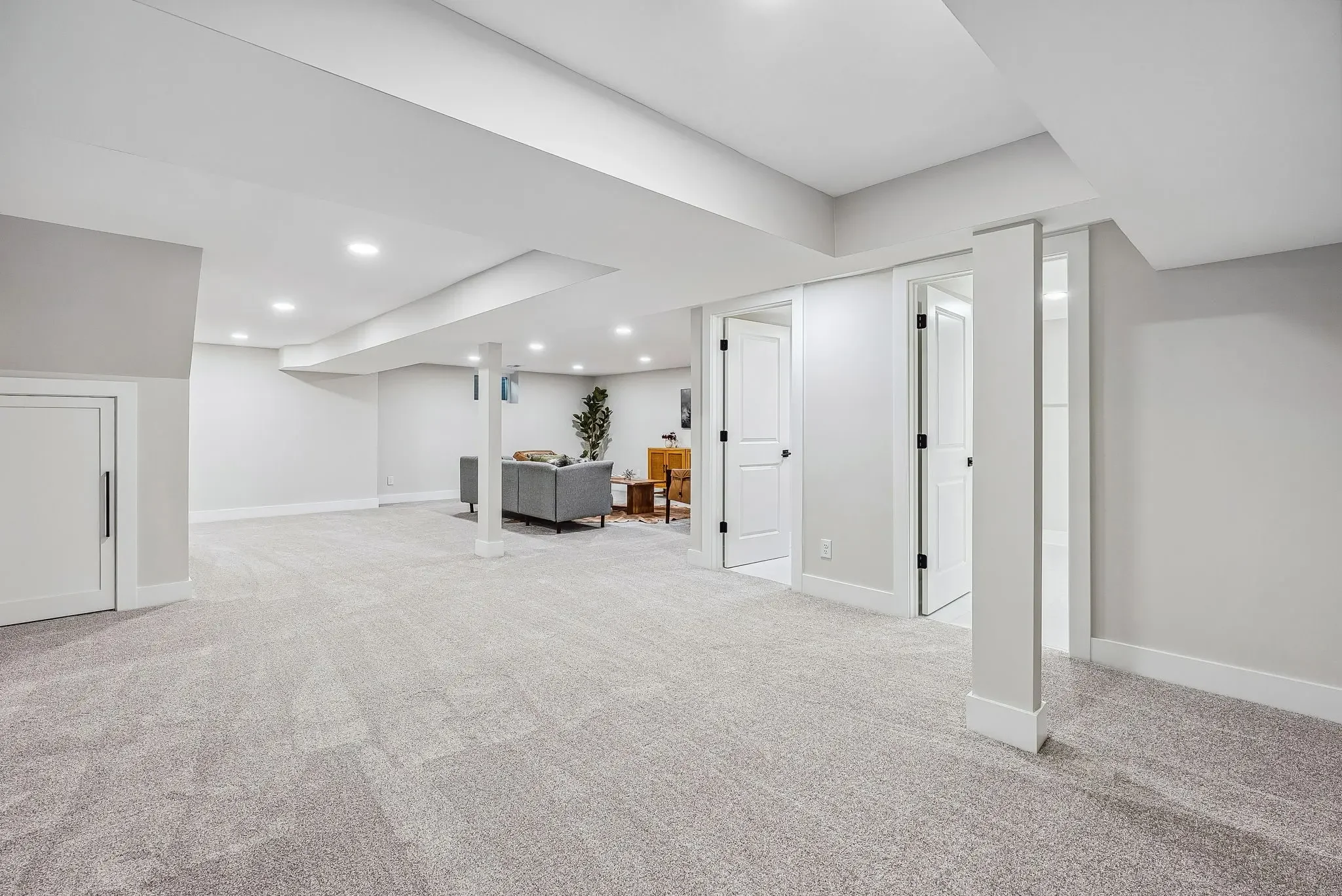
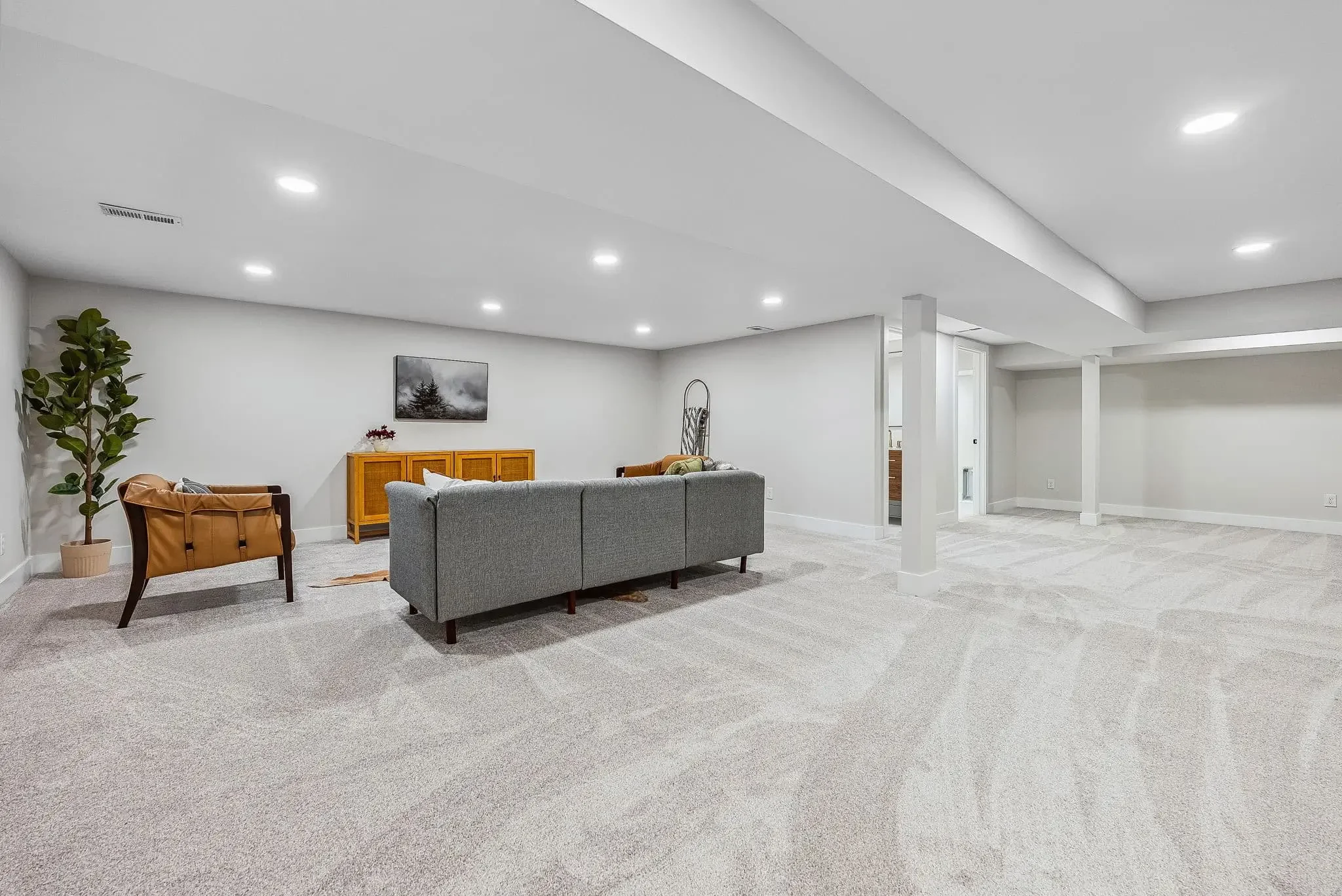
A second living room or entertainment area
A place to host overnight guests
A home gym or hobby zone
A combination of all three
The key is to think in zones—bars, fitness rooms, guest suites, play areas—so the space feels intentional rather than just “finished.”
Basement Bar Ideas: From Simple Wet Bar to Full Entertainment Hub
A basement bar can be as low‑key or as full‑service as you want, depending on how you entertain.
1. Simple Wet Bar Niche
Perfect for smaller basements or tighter budgets:
Base cabinets with a durable countertop
Small sink and bar faucet
Under‑counter beverage fridge
Floating shelves or a small upper cabinet for glassware
This kind of bar keeps drinks and snacks downstairs, so guests aren’t constantly running up to the kitchen.
2. L‑Shaped or Peninsula Bar
For basements that host game days, movie nights, or larger groups:
L‑shaped or peninsula layout with seating on one side
Mix of closed storage and open display for bottles and glassware
Decorative tile or paneling on the bar face
Pendant lighting to anchor the area visually
The bar can back up to a TV area, becoming the natural hub during gatherings.
3. Almost-a-Kitchen Bar
If you want your basement to function like a second living level:
Larger bank of cabinets, including tall pantry storage
More extensive countertop workspace
Larger under‑counter fridge or even a small range or cooktop (where appropriate)
Full backsplash and more robust lighting
This works well for long movie marathons, teen hangouts, or multi‑generational households.
Fitness Room & Home Gym Ideas for Columbus Basements
A basement can be an ideal spot for a home gym: cooler in summer, separated from main living areas, and flexible in layout.
1. Choose the Right Location
When planning a basement gym, consider:
A corner or room with sufficient ceiling height for overhead movements or treadmills
Proximity to an exterior door if you carry equipment in and out
Distance from quiet zones (like guest rooms) if you work out early or late
2. Flooring & Surfaces
Good gym flooring protects your structure and makes workouts more comfortable:
Rubber tiles or rolls in weight areas
LVP or another durable surface in cardio or stretching zones
Wall mirrors to check form and visually expand the room
You can also add a feature wall—paint, wood, or graphic treatment—to give the gym its own personality.
3. Storage for Equipment
Keep clutter off the floor with:
Wall‑mounted racks for dumbbells and plates (where appropriate)
Built‑in or freestanding shelving for bands, mats, and smaller gear
A small cabinet or countertop for towels, water, and speakers
If you prefer a cleaner look, plan a closet or built‑in where everything can be put away between workouts.
Guest Suite & In-Law Suite Ideas for Basements
A well‑designed basement can host guests comfortably without sacrificing privacy upstairs.
1. Comfortable Bedroom Area
Even if you’re not creating a fully legal bedroom, focus on:
A proper egress window where required for safety and natural light
Enough space for a real bed, nightstands, and reading lights
A small dresser or built‑in storage so guests aren’t living out of a suitcase
Thoughtful finishes—soft flooring, calm colors, and good lighting—make the space feel like a retreat, not an afterthought.
2. Basement Bathroom
Adding a bathroom near the guest area is one of the biggest upgrades you can make:
A compact but functional 3/4 bath (shower, toilet, vanity) is often enough
Choose durable tile and good ventilation for basement conditions
Use a vanity with storage to keep toiletries and spare linens handy
If plumbing rough‑ins already exist, it can simplify the project; if not, a design consult can help you understand options.
3. Small Lounge or Coffee Nook
Give guests a bit of independence:
A small seating area with two chairs and a table
A simple coffee station with a mini‑fridge and counter space
A TV area that doesn’t compete with the main family room upstairs
This setup is ideal for visiting family, long‑term guests, or older kids home from college.
Combining Zones: Multi-Use Basement Layout Ideas
Most Columbus basements aren’t dedicated to just one function. The best designs combine a few key zones.
1. Bar + TV Lounge
TV area with a large sectional or sofa and chairs
Bar behind or to the side with seating
Shared view of screens, but separate “activity zones”
Great for sports fans, movie nights, and casual entertaining.
2. Guest Suite + Flex Space
One end of the basement dedicated to guest bedroom and bath
Open area near the stairs used as a family room, playroom, or office
Storage tucked under stairs or behind doors so the space stays flexible
Ideal if you host occasionally but still need everyday living space.
3. Gym + Hangout Space
Gym in one room or clearly defined area
Sofa, game table, or media setup in another
Storage planned so equipment and games can be tucked away
This keeps the basement useful for both solo workouts and family time.
Design Tips to Make Your Basement Feel Like the Rest of Your Home
You don’t want your basement to feel like a completely different house. A few design choices can help it feel connected to your main living areas.
1. Carry Elements Downstairs
Use similar or complementary flooring tones where possible
Repeat key colors from your main floor in paint, cabinets, or textiles
Echo trim profiles or door styles so there’s visual continuity
This makes the basement feel like a true extension of your home, not a bonus afterthought.
2. Focus on Lighting
Basements need layered lighting more than most spaces:
Recessed lights for overall illumination
Sconces, pendants, or lamps in lounge and bar areas
Brighter, more focused lighting in gym or work zones
Thoughtful lighting goes a long way toward making a basement feel inviting rather than cave‑like.
3. Plan for Storage from the Start
Storage keeps a multipurpose basement from turning into a clutter catch‑all:
Built‑ins around TV areas
Closets or cabinets in hallways or near stairs
Concealed storage under stairs or behind panel doors
The more intentional the storage, the more flexible and tidy the basement feels over time.
How to Start Planning Your Columbus Basement Remodel
When you’re ready to turn your basement ideas into a real plan:
List your priorities.
Is the basement mainly for entertaining, guests, workout space, or all of the above?
Roughly map your zones.
Think about where bars, gyms, and guest areas might fit based on light, headroom, and plumbing.
Define a budget range.
This will shape how elaborate your bar, bath, or finishes can be.
Gather inspiration photos.
Look for examples that match your home’s style and your lifestyle, not just trends.
A design‑forward remodeling partner can then help you refine layout and finish choices to fit your Columbus home.
Request a Basement Design Consult
If you’re ready to turn your Columbus basement into a space with real purpose—whether that’s a bar, fitness room, guest suite, or a mix of all three—the best next step is a design conversation tailored to your home.
Click here to request a basement design consult. In that conversation, you can:
Share how you’d like to use your basement.
Talk through ideas for bars, gyms, guest suites, or media spaces.
Get guidance on layout, storage, and finishes that fit your goals and budget.