
What Is Design-Build Remodeling?
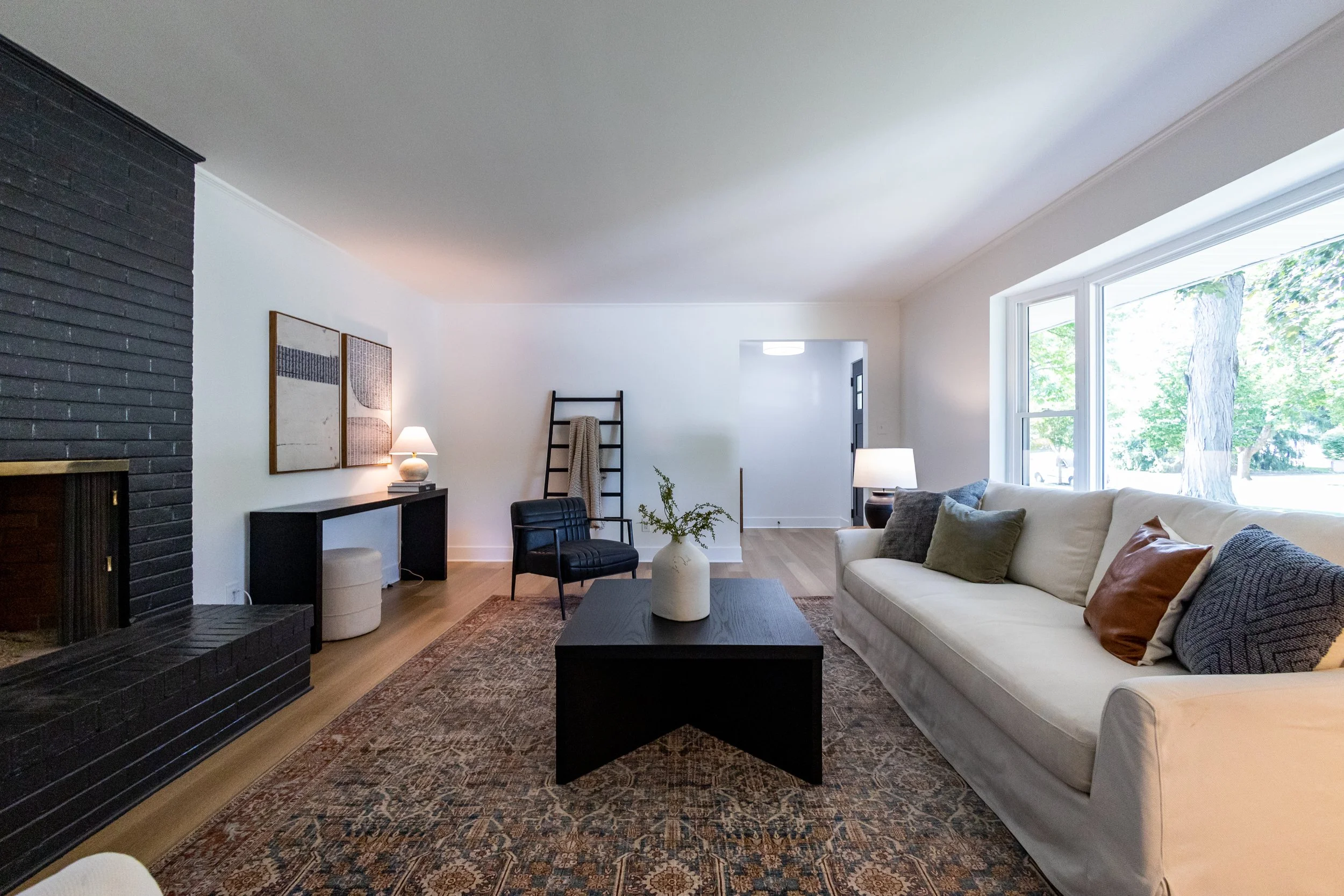
Design‑build remodeling in Columbus, Ohio brings design and construction under one roof, which can simplify communication, budgeting, and scheduling—while also having trade‑offs you should understand before choosing this model.
Below is a complete, SEO‑optimized blog draft for:
Title: Design-Build Remodeling in Columbus: Pros & Cons
Target Keyword: design build remodeling columbus ohio
Type: Educational / Commercial Blog Post (MOFU)
Primary CTA: Schedule a design-build consultation
What Is Design-Build Remodeling?
In a traditional remodeling setup, you hire a designer or architect first, develop plans, and then bid those plans out to multiple contractors. Design‑build remodeling works differently: you work with a single company that handles both design and construction.
For Columbus homeowners, that means:
One primary point of contact for the entire project.
Design and construction teams collaborating from day one.
A more integrated approach to scope, budget, and schedule.
The same company helps you plan your space, select materials, price the project, and then actually build it.
How Design-Build Works Step by Step
While every company’s process is slightly different, most design‑build remodeling in Columbus follows a similar structure:
Initial Conversation & Site Visit
Talk through goals, budget range, and timeline.
Walk the space, gather measurements, and understand how you use your home.
Design + Plan Phase
Develop layout concepts and options.
Use drawings and/or 3D views to help you visualize changes.
Iterate based on your feedback until the plan feels right.
Selections & Detailed Pricing
Choose cabinets, countertops, tile, flooring, fixtures, and finishes.
Refine scope and budget together so there are fewer surprises.
Produce a detailed proposal tying design, materials, and labor into one package.
Pre‑Construction
Order long‑lead materials (like cabinets).
Schedule trades, plan logistics, and handle permits as needed.
Set a realistic start date based on material arrivals.
Construction & Project Management
The same team (or closely coordinated teams) manages demo through final finishes.
You get regular updates on schedule and progress.
Questions about design details are resolved internally rather than bouncing between firms.
Final Walkthrough & Warranty Support
Punch‑list items are addressed.
You get clarity on any warranties and post‑project support.
This “single‑team” structure is the core of design‑build—and the source of most of its pros and cons.
Pros of Design-Build Remodeling in Columbus
1. One Team, One Point of Contact
Instead of managing separate relationships with a designer and a contractor, you work with one company.
Benefits:
Fewer email chains and fewer “who owns this problem?” moments.
Design questions can be answered with construction realities in mind.
Construction issues can be solved with direct designer input, without blame‑shifting.
For many homeowners, this alone removes a lot of stress from the remodeling process.
2. Better Alignment Between Design and Budget
In a design‑bid‑build model, it’s common to fall in love with a design and then discover it’s well beyond your budget when bids come back. With design‑build:
Budget is part of the conversation early, not an afterthought.
Designers and project managers have real‑time feedback on how choices affect cost.
Scope can be adjusted as you go so you’re not starting over after pricing.
This makes it easier to hit a comfortable investment range without constant redesign.
3. More Predictable Scheduling
When the same team is responsible for both planning and building:
They can realistically estimate how long things will take based on past projects.
Material lead times and trade schedules are woven into the plan from the start.
Start dates and completion goals are set with an integrated view of design and construction.
You’re less likely to get stuck waiting months between “plans are done” and “construction can start.”
4. Fewer Gaps and Miscommunications
With separate design and construction firms, you sometimes see:
Plans that are beautiful but difficult or expensive to build.
Details that aren’t fully specified, leaving contractors to make on‑the‑spot decisions.
Conflicts between what was promised in design vs. what’s realistic in the field.
Design‑build teamwork tends to reduce these gaps because everyone is working from the same playbook the entire time.
5. Easier Change Management
Changes happen: you see something mid‑project and want to tweak it. In a design‑build setup:
The impact on cost and schedule can be estimated quickly.
Design implications (tile patterns, cabinet adjustments, lighting shifts) are handled in‑house.
You don’t need to renegotiate between design and build parties; the same company helps you evaluate trade‑offs.
This helps you make informed decisions when you want to adjust course.
Cons and Trade-Offs of Design-Build
Design‑build isn’t the perfect fit for every homeowner or every project. It’s important to understand the potential downsides too.
1. Less “Apples-to-Apples” Bidding
Because design and construction are bundled, you typically:
Don’t send the exact same plan to multiple builders for competing bids.
Commit to one company earlier in the process.
If your top priority is getting three or four separate bids on the same architect‑drawn plan, a traditional design‑bid‑build model might align more with your process style.
2. You Need to Choose the Right Partner Upfront
Design‑build concentrates a lot of responsibility in one company. That means:
It’s especially important to vet their design sensibility and construction quality.
You’ll want to look closely at past projects, reviews, and communication style.
You should feel comfortable collaborating with them over a period of months.
When you choose well, this is a big advantage. If you choose poorly, it can concentrate your risk too.
3. Very Complex or Highly Specialized Designs May Still Need External Pros
For most residential projects—kitchens, baths, basements, whole‑home updates—design‑build firms are fully equipped to handle both design and construction. In rare cases:
Highly specialized structural work, historic preservation, or unusual architectural projects may still require a dedicated architect or engineer.
A good design‑build partner should tell you when they need to bring in outside specialists.
The key is transparency about where their in‑house capabilities end and where they collaborate with other experts.
When Design-Build Makes the Most Sense in Columbus
Design‑build remodeling is especially strong for projects like:
Kitchens & bathrooms: where design, selections, and construction details are tightly intertwined.
Basements: which often combine multiple zones (family room, bar, bath, gym, guest room).
Whole‑home and main‑floor remodels: where many spaces are touched at once and coordination is crucial.
Additions: when tying a new structure into an existing home requires unified planning.
If your priority is a smoother experience, clear communication, and design that respects your budget from day one, design‑build is often an excellent fit.
Questions to Ask a Design-Build Remodeler
If you’re considering design‑build remodeling in Columbus, ask potential partners:
How does your Design + Plan process work from first meeting through final proposal?
Who will I work with during design, and who manages the project during construction?
How do you handle budget alignment when design ideas and costs conflict?
How do you communicate schedule and progress during the build?
Can you share examples of projects similar to mine that you’ve completed?
Their answers will help you gauge not just technical skills, but also how they communicate and collaborate.
How a Design-Build Consultation Helps
A design‑build consultation is not a high‑pressure sales meeting; it’s a strategy call (or visit) to see if this approach is the right fit for your project. In that conversation, you can:
Share your goals, timeline, and approximate budget.
Learn how the Design + Plan phase would apply to your specific home.
Understand how design fees, construction costs, and scheduling are structured.
Ask about past projects similar to what you’re envisioning.
By the end, you should have a clearer sense of whether design‑build is right for you—and whether that particular company is the right partner.
Schedule a Design-Build Consultation
If you’re considering a kitchen, bathroom, basement, or whole‑home remodel in Columbus, choosing the right project delivery method can make or break your experience. Design‑build remodeling offers a more integrated way to handle design, budgeting, and construction under one roof.
Use the form on this page to schedule a design‑build consultation. You’ll be able to:
Talk through your project ideas and priorities.
Learn how the design‑build process would look for your specific home.
Get a sense of realistic budgets and timelines—before you dive into full design.