
Typical Basement Remodel Cost Ranges in Columbus
These are planning ranges, not quotes, but they’ll help you frame budgets before talking to a contractor.
1. Basic Basement Finishing
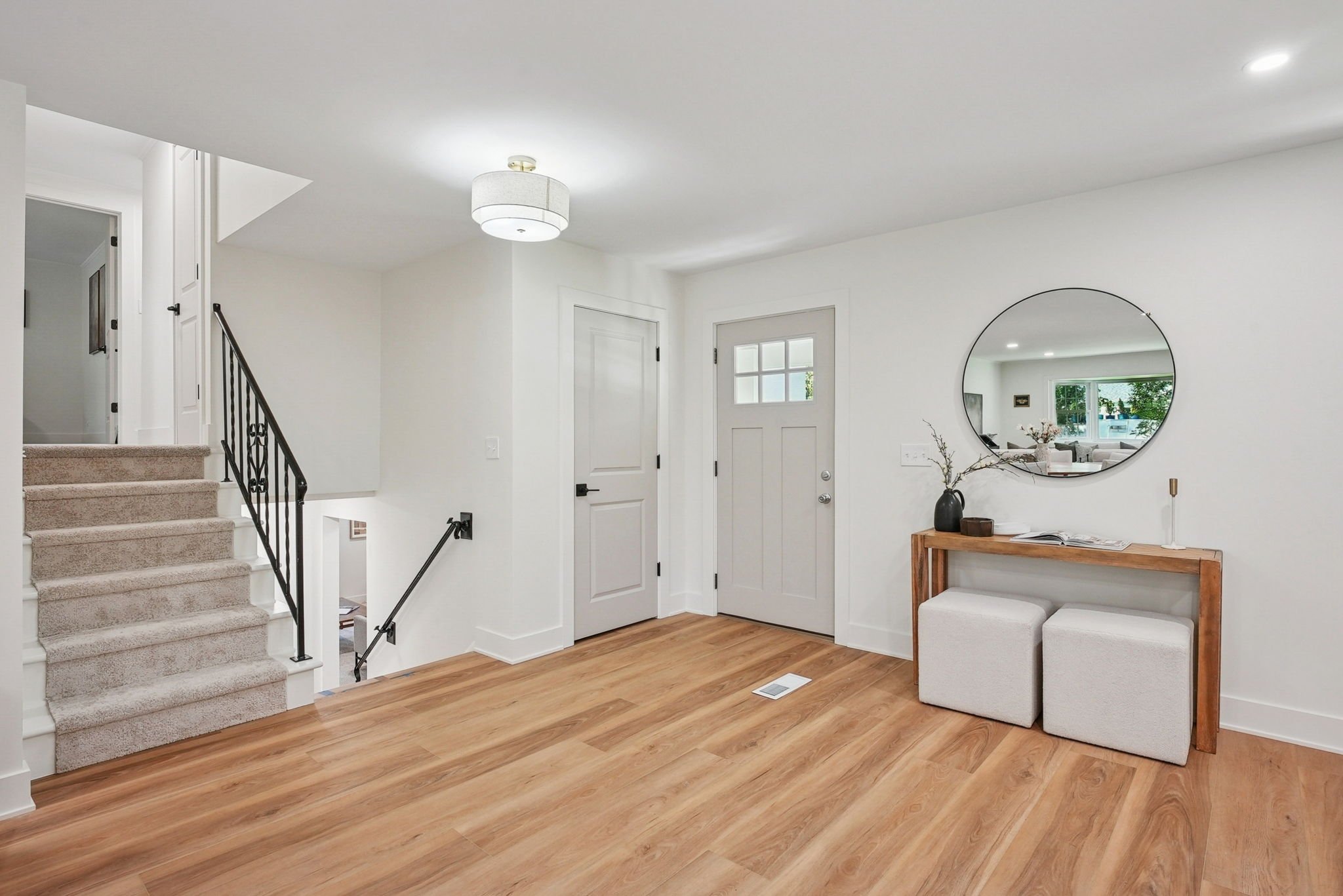
Focus: take an unfinished or mostly unfinished basement to clean, livable space.
Framing, insulation, and drywall
Basic electrical and lighting
Standard flooring (carpet or LVP)
Simple trim and paint
Minimal layout complexity
Best for: creating a family room, play area, or basic flex space without lots of extras.
2. Mid‑Range Basement Remodel
Focus: finished space with a couple of feature areas.
All basic finishing items above
Upgraded flooring and lighting
One or two defined zones (e.g., TV room + home office, or TV room + basic bar)
Some added storage or built‑ins
Possibly a half‑bath if plumbing is straightforward
Best for: families wanting a true second living area that feels “finished,” not just “usable.”
3. Higher‑End / Multi‑Zone Basement Remodel
Focus: a fully featured lower level.
TV/media area with built‑ins
Custom bar or kitchenette
Full bathroom (and sometimes a guest bedroom)
Home gym, office, or hobby room
More detailed millwork, lighting layers, and higher‑end finishes
Best for: “all‑in” basements that act like another floor of the home—great for long‑term living or resale.
Major Factors That Affect Basement Remodel Cost
1. Finished vs. Unfinished Starting Point
Unfinished: more framing, insulation, drywall, and mechanical work.
Partially finished: some elements can be reused, but older work (especially from DIY or very old finishes) sometimes needs to be corrected.
2. Adding a Bathroom
Bathrooms are one of the biggest cost drivers:
Rough‑ins already in place: lower cost than starting from scratch.
New full bath (shower, vanity, toilet): adds plumbing, waterproofing, tile, ventilation, and more fixtures.
Upgraded tile, glass, and fixtures will push the budget higher.
If you’re on a tighter budget, consider whether a half‑bath is enough versus a full bath.
3. Basement Bars and Kitchenettes
A basic bar vs. a near‑kitchen level kitchenette are very different investments:
Simple bar: base cabinets, countertop, small fridge, maybe a sink.
More robust bar/kitchenette: more cabinetry, larger appliances, tile backsplash, and more electrical/plumbing.
Decide early whether you need a full second kitchen feel or simply a place for drinks and snacks.
4. Home Gyms and Specialty Spaces
Home gyms, hobby rooms, and theaters change cost via:
Flooring choices (rubber or higher‑end finishes)
Extra electrical or AV wiring
Sound‑conscious design or insulation
Specialty lighting or built‑ins
Often, these spaces don’t have to be the most expensive part of the project, but they do add to overall investment when layered with bars and baths.
5. Existing Conditions (Moisture & Structure)
Basements in Columbus can have:
Moisture issues or prior water damage
Uneven floors or low ceilings
Older mechanical layouts that complicate framing
Proper moisture management (drainage, vapor barriers, sump/french drains where needed) is essential and can add cost, but it protects your entire investment.
How Different Zone Combinations Affect Price
Think of your basement in “blocks” of scope:
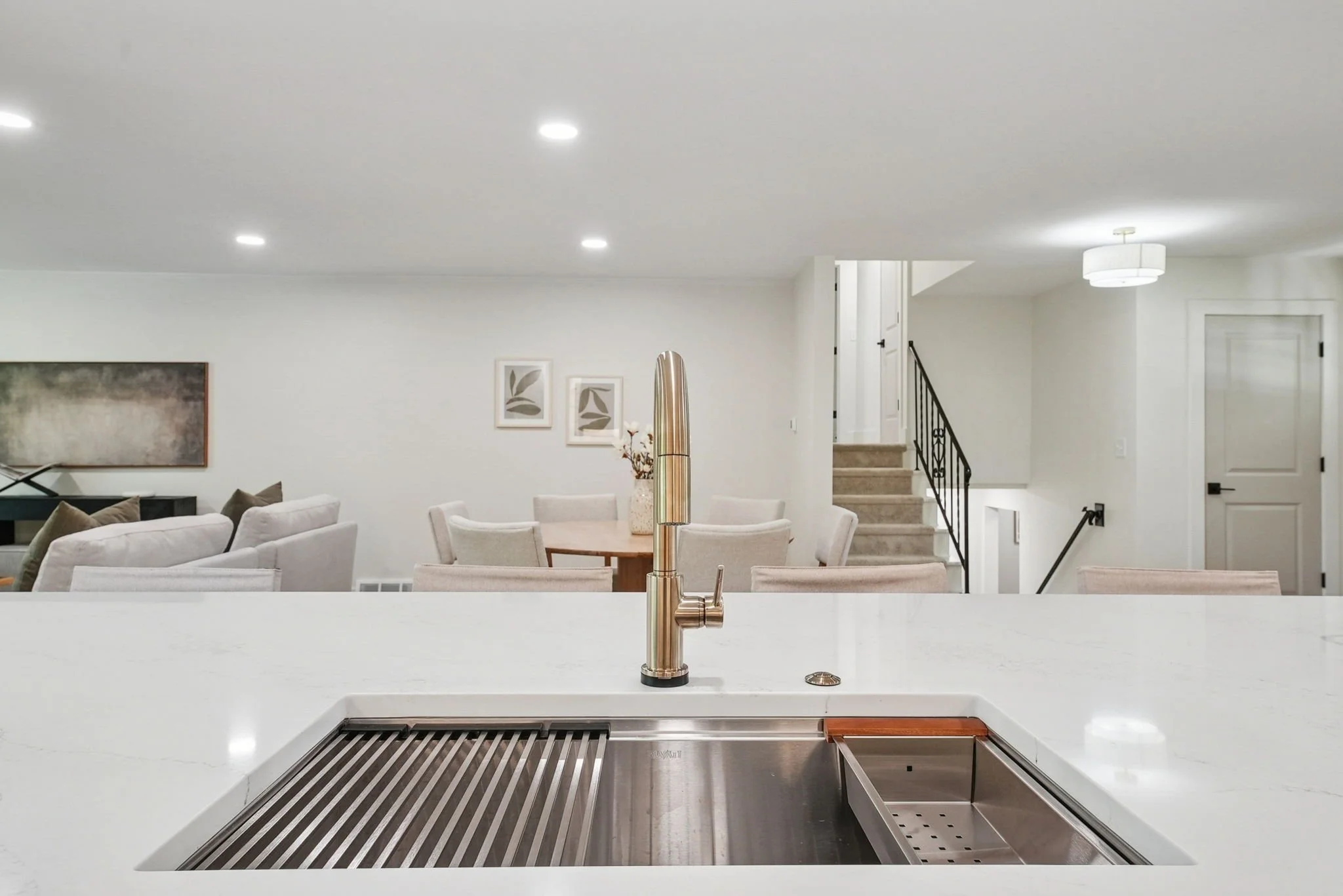
Core finish: framing, drywall, basic electrical, basic flooring.
Bathroom block: half‑bath vs. full bath.
Bar block: simple wet bar vs. larger entertainment bar.
Specialty block: home gym, office built‑ins, guest bedroom, or playroom.
The more blocks you add—and the more upgraded each block becomes—the higher your total cost. A design‑build contractor can help you prioritize which blocks to do now and which can be prepped for later.
Ways to Control Basement Remodel Costs
1. Keep Layout Efficient
Group plumbing (bath, bar, and existing mechanicals) close together when possible.
Avoid unnecessary walls or small, chopped‑up rooms that add framing and doors without real benefit.
2. Mix “Save” and “Invest” Finishes
Save: use durable but mid‑range flooring, simple can lights, and straightforward trim.
Invest: in the bar front, feature wall, bathroom tile, or staircase details that impact first impressions.
3. Phase the Project
If budget is tight:
Finish the core basement now (walls, ceilings, main flooring).
Rough‑in plumbing and electrical for future bar or bath while everything is open.
Add finishes in stages as budget allows.
Planning for future phases early helps avoid tearing things back open later.
How Elevate Can Help with Basement Cost Planning
A design‑build team can tie together scope, design, and cost from the start for your basement remodel:
Clarify whether you’re aiming for basic finish, mid‑range multi‑zone, or higher‑end full lower level.
Help you understand how each add‑on (bath, bar, gym, guest room) moves the budget.
Suggest where to make smart trade‑offs if you’re trying to stay in a specific range.
Provide a clear proposal so you see what’s included and what can be phased.
What to Expect in a Basement Cost Estimate Consult
When you request a basement cost estimate, you can expect to:
Talk through how you want to use the basement (family room, bar, bath, gym, guest suite, etc.).
Share rough budget comfort zones so recommendations are realistic.
Walk the space to assess size, ceiling height, mechanicals, and any moisture/structural concerns.
Discuss different “tiers” of project scope and what’s likely to fit your range.
Build a phased or all‑at‑once plan that fits your home and timeline.
Request Your Basement Cost Estimate
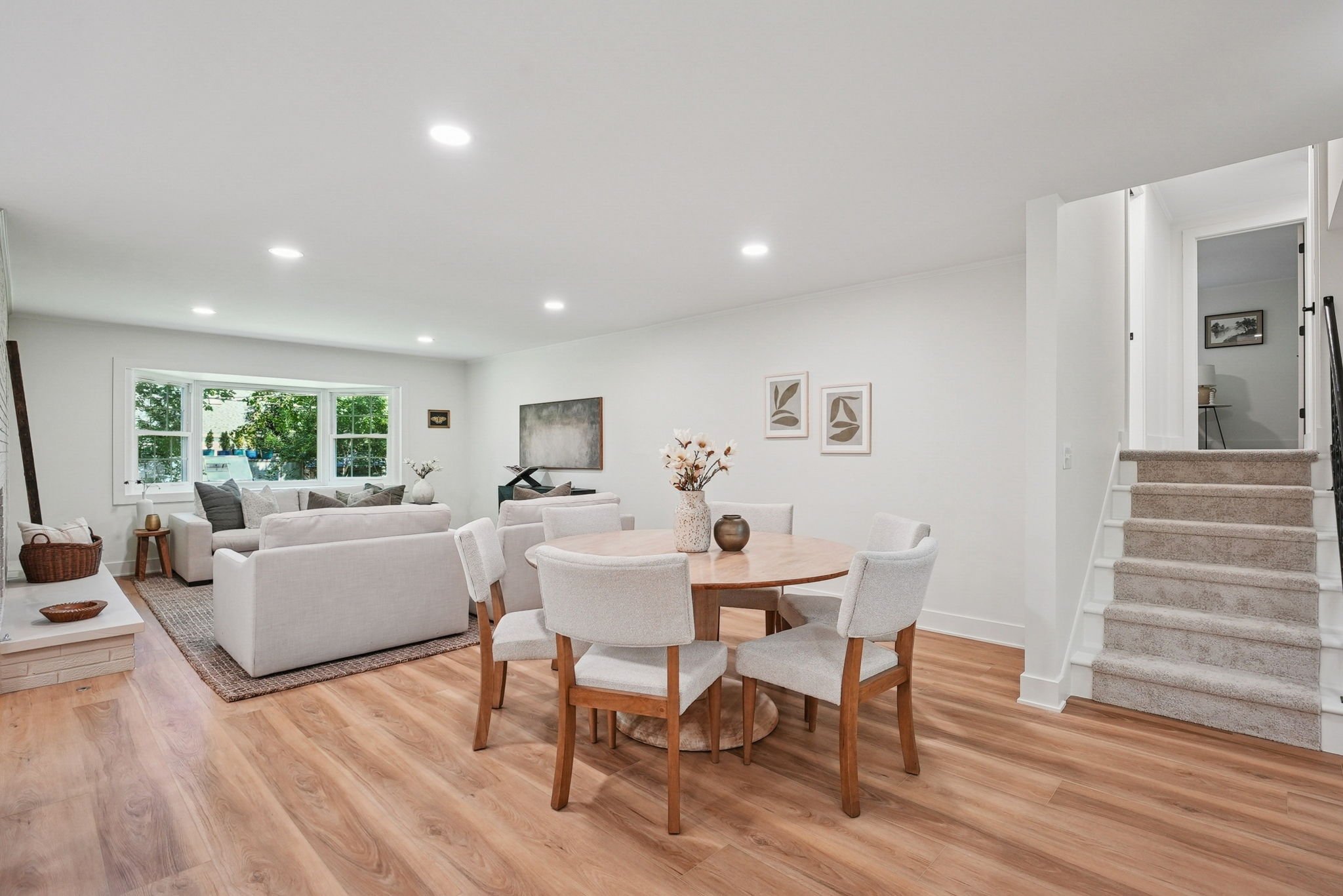
If you’re planning a basement remodel in Columbus, Ohio—whether you’re just finishing it, or adding a bar, bathroom, home gym, or all of the above—the best next step is a grounded cost conversation tied to your actual space.
Click here to request a basement cost estimate. You’ll be able to:
Walk through your goals for the space.
Understand how different scope levels affect price.
Get expert guidance on where to invest and where to save.